Complete Buying Guide · 2026
The Complete Sheets Buying Guide:
Every Question Answered
Thread count myths, cotton vs bamboo, what makes sheets genuinely soft, and how to recreate that 5-star hotel feeling at home. Everything you need to buy sheets with complete confidence.
Jump to a Section
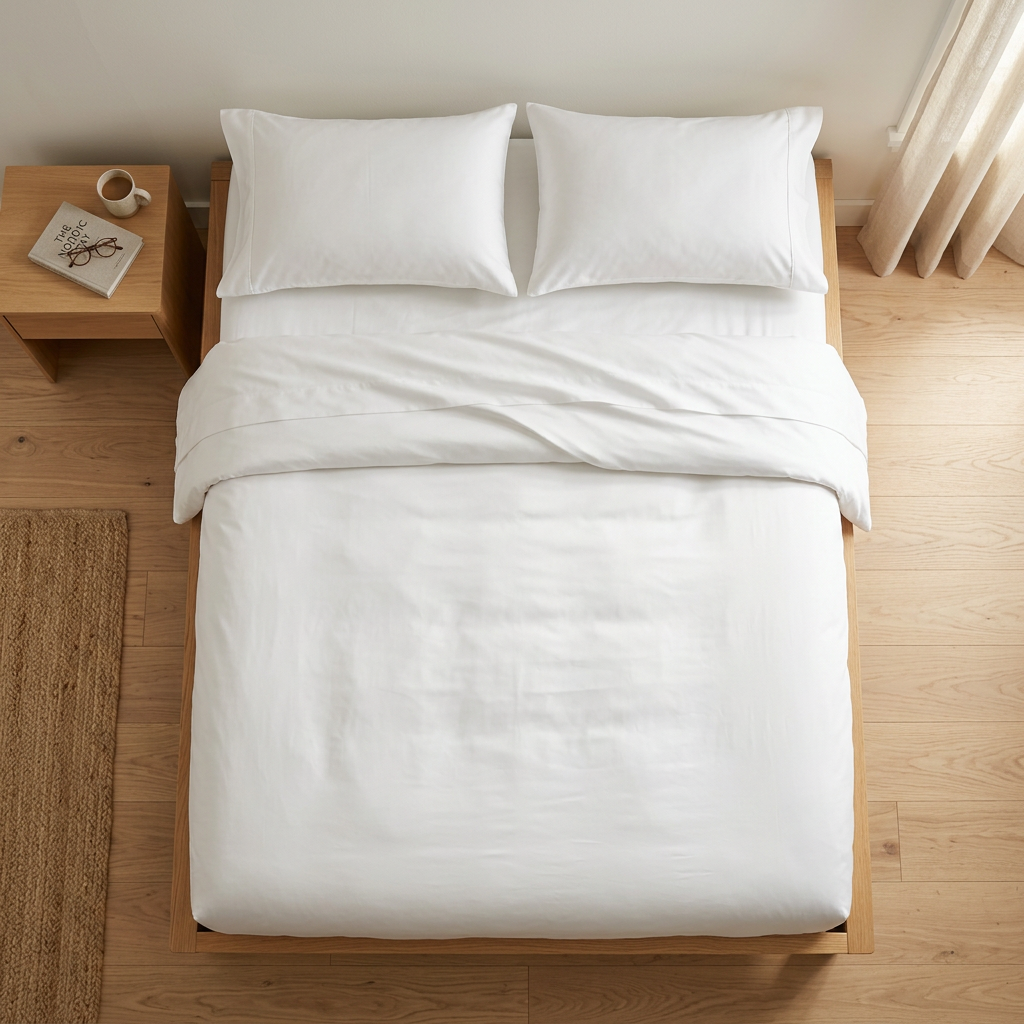
What Thread Count is Best?
Thread count (TC) measures how many threads are woven into one square inch of fabric. The common belief is "higher = better," but this is one of the most misleading ideas in bedding.
The honest truth: Fiber quality trumps thread count every time. A 400 TC sheet made from long-staple cotton will be softer, stronger, and more durable than a 1,000 TC sheet made from inferior short-staple or multi-ply yarn.
The real sweet spot: 300–500 TC in single-ply construction. This range produces sheets that are dense enough to feel luxurious but breathable enough to sleep comfortably in.
| Thread Count | Feel | Best For | Verdict |
|---|---|---|---|
| 200–250 TC | Crisp, lightweight | Hot sleepers, percale fans | Good entry point |
| 300–400 TC | Soft, smooth, breathable | Most sleepers | ✅ Sweet spot |
| 400–500 TC | Very soft, silky | Luxury seekers | ✅ Excellent |
| 600+ TC | Can feel heavy or stiff | Check construction | ⚠️ Often inflated |
Are Cotton Sheets Better Than Microfiber or Bamboo?
The short answer: for most people, yes. Here's the honest breakdown of each material.
100% Long-Staple Cotton
🏆 Best overall
Pros
Breathable, gets softer over time, durable, temperature-regulating, widely certified (OEKO-TEX, GOTS)
Cons
Can wrinkle
Bamboo / TENCEL / Lyocell
✅ Great for hot sleepers
Pros
Very soft, moisture-wicking, eco-friendly production
Cons
Less durable than cotton, requires specific care, feel changes after washing
Microfiber / Polyester
❌ Avoid for sleep quality
Pros
Cheap, wrinkle-resistant, widely available
Cons
Traps heat, static cling, degrades quickly, not breathable, not eco-friendly
Linen
✅ Best for hot/humid climates
Pros
Extremely breathable, gets softer over time, very durable
Cons
Rough initially, expensive, wrinkles heavily
What Actually Makes Sheets Soft?
Three factors determine how a sheet actually feels. Understanding all three lets you cut through marketing claims and choose with confidence.
Fiber Length (Most Important)
Long-staple cotton fibers (1.125"+ length) spin into finer, stronger yarns with a smoother surface. Short-staple cotton creates more protruding fiber ends — that's what causes fuzziness and pilling. Look for: Pima, Egyptian, or "long-staple" cotton.
Weave Type
Sateen weave exposes more of the thread surface, creating a silky, lustrous feel. Percale's one-over-one construction is crisper. Both can be soft — sateen simply has more of the smooth surface touching your skin.
Thread Count (Supporting Role)
In the 300–600 range with quality fiber, higher TC means a denser, smoother weave. The key word is "quality fiber" — TC alone means nothing without the right raw material.
Age & Washing
This is the secret most brands won't tell you: high-quality long-staple cotton sheets get measurably softer with every wash as fibers relax and settle. Cheap sheets start soft and get rougher. Great sheets start good and become exceptional.
Hotel Sheets vs. Home Sheets: What's the Real Difference?
You've slept in a 5-star hotel and thought: why can't every night feel this good? The good news — there's no secret ingredient. The difference comes down to specification and care.
What hotels actually use:
Most 4–5 star hotels use 300–400 TC, 100% long-staple cotton sheets in percale or sateen weave, always in white. They're laundered professionally at controlled temperatures, pressed flat while slightly damp, and replaced at the first sign of wear.
The "always white" factor:
White sheets can be washed at higher temperatures for deeper cleaning. They also signal cleanliness visually. At home, choosing white or very light neutral sheets lets you wash more aggressively and keep them genuinely fresh.
What you can replicate at home:
- Choose 400 TC long-staple cotton sateen (same as luxury hotels)
- Always wash in cool/warm water with mild liquid detergent
- Never use fabric softener — it coats fibers and reduces softness
- Iron slightly damp for that crisp, pressed hotel finish
- Rotate between two sets to let each set rest between washes
Quick Answers — Frequently Asked Questions
What thread count is best for sheets?
For most people, 300–400 TC in a sateen weave is the sweet spot — smooth, durable, and genuinely soft. Above 600 TC, manufacturers often use multi-ply yarns to inflate the count without improving quality. Fiber quality matters more than the number alone: a 400 TC long-staple cotton sheet will outperform a 1000 TC short-staple blend every time.
Are cotton sheets better than microfiber or bamboo?
Yes, for most sleepers. 100% long-staple cotton is breathable, temperature-regulating, gets softer with every wash, and lasts years longer than microfiber. Bamboo (lyocell/TENCEL) is a valid alternative for hot sleepers, but cotton remains the gold standard for softness, durability, and ease of care. Microfiber traps heat and degrades significantly faster.
What makes sheets soft?
Three factors determine sheet softness: (1) Fiber length — long-staple cotton produces finer, smoother yarns with less surface fuzz. (2) Weave — sateen weave (one thread under, four over) exposes more of the smooth thread surface, creating a silky feel. (3) Thread count — in the 300–600 range, higher TC produces a denser, smoother fabric. The best soft sheets combine all three.
What is the difference between hotel sheets and regular home sheets?
Hotel sheets feel incredible because of three things: they use 100% long-staple cotton (not blends), they're always white (allowing aggressive cleaning), and they're pressed flat professionally. The actual specifications — 300–400 TC, long-staple cotton, sateen or percale weave — are the same as quality home sheets. Circle Living's 400 TC sheets match luxury hotel linen supplier specifications exactly.
Sateen vs percale: which is better?
Neither is objectively better — they're different. Sateen is silkier, heavier, and has a subtle sheen. It's best for those who want maximum softness and a hotel-like feel. Percale is crisper, cooler, and matte. It's best for hot sleepers who prefer a fresh, lightweight feel. Both can be made from the same long-staple cotton; the weave determines the feel.
How often should you replace your sheets?
Low-quality sheets need replacement every 1–2 years. High-quality long-staple cotton sheets like Circle Living's should last 5–7+ years with proper care, maintaining softness and integrity through 30+ wash cycles. Signs it's time to replace: pilling, thinning fabric, persistent odor after washing, or elastic that no longer holds.
Related Guides
Ready to upgrade?
Shop Circle Living Bedding
400 TC long-staple cotton sateen. OEKO-TEX + GOTS certified. 30-night risk-free trial.
Shop Bedding Sets